
• Skip to primary navigation
  • Skip to main content
  • Skip to primary sidebar
  • Skip to footer
Song Writing and Team Building

Song Writing and Team Building

The Song Team

This was the best team building and leadership event we've ever had. Our team is still on fire! — Delta Airlines

(615) 974-0225

jeff.jacob2@gmail.com
  • Home
  • About
    • Innovation and Song Writing
  • Speaking
    • Videos
    • Collaboration at TEDx
  • Programs
    • Giving Back
    • Artist Residencies & Custom Programs
    • Large Group Team Building Experience
    • Workshop Team Building Experience
  • Resources
    • Meeting Resources
  • Reviews
  • Blog
  • Contact

Leadership

‘Lighting the Future Through Song’: Broward Students Transform Holocaust Testimony into Music

February 6, 2026 by Jeff Leave a Comment

As the generation of firsthand Holocaust survivors grows smaller, educators are searching for meaningful ways to ensure their stories endure. While many children and grandchildren of survivors have stepped forward to carry the torch, teachers continue to grapple with a pressing question: how do you present such painful history in a way that truly resonates with young people?

In Broward County, two local creatives believe the answer lies in music.

Musician Jeff Jacob teamed up with visual artist and educator Ali Shrago-Spechler, director of The George Gottlieb Institute at the David Posnack Jewish Community Center in Davie, to launch a powerful new initiative. Through the Institute’s Testimony to Teach program, they invited history students from Cooper City High School and Everglades High School to transform Holocaust survivor testimonies into an original song.

The project, titled “You Can Be a Candle,” blends storytelling, songwriting and live performance into a single immersive experience.

“What better way to internalize history than by creating something from it?” Shrago-Spechler said. “Music allows students to connect emotionally and intellectually. They listen, they write, they sing — and through that process, they become active witnesses.”

The students first participated in two sessions where they listened to testimony from first-, second-, and third-generation survivors. They then gathered at the David Posnack JCC for a live collaborative songwriting event staged like an intimate acoustic concert. Jacob created a relaxed, performance-style setting to inspire creativity and reflection.

Drawing from what they had learned, students worked alongside first-generation survivor Ivan Gluck to craft verses rooted in his lived experiences. The lyrics reflect fear, resilience and hope, with lines that evoke the uncertainty and solidarity that sustained many during the Holocaust.

Once the song was written, students recorded their vocals in a mobile studio set up on site. Local musicians and community members joined in to complete the production, turning the classroom exercise into a fully realized recording.

“For me, it was about giving students a memory they’ll carry with them,” Jacob said. “When you create something yourself, it stays with you differently. Maybe one day, if they see injustice or hatred, they’ll remember this moment and speak up.”

From Film to Song

The Testimony to Teach program began two years ago with students producing a short film inspired by survivor stories. While impactful, Shrago-Spechler felt some participants remained emotionally distant from the material.

“When you’re teaching difficult history, students sometimes instinctively protect themselves,” she explained. “It can be hard for them to stay fully engaged.”

She found that music offered a more accessible entry point. Unlike visual art, where students may doubt their skills, songwriting invites everyone to participate.

“You don’t have to consider yourself artistic to contribute a lyric or rhythm,” she said. “Music feels open to everyone.”

Jacob wrote the song’s chorus in advance to guide the session, then performed it with a band that included community musicians and nonprofit partners. The finished track will be released on major streaming platforms in conjunction with Yom HaShoah in April. A short music video and a longer behind-the-scenes documentary are also in development, capturing both the creative process and student reflections.

For Shrago-Spechler, the energy in the room after the recording wrapped was unforgettable.

“You could feel that something meaningful had happened,” she said. “This is why this work matters — because it empowers students to carry these stories forward and stand against hate.”

The initiative is part of a broader effort to strengthen Holocaust education in Broward County. Upcoming programming includes a May event featuring culinary historian Michael Twitty, author of “Koshersoul: The Faith and Food Journey of an African American Jew,” exploring Jewish identity and cultural memory through food.

“We may not be able to solve antisemitism everywhere,” Shrago-Spechler said, “but we can make a difference here. If students leave these programs with empathy, awareness and courage, that’s a powerful start.”

Filed Under: Corporate Team Building, Leadership, Musical team building, Songwriting Events, team building, Team building Florida, The Song Team - Team Building Blog

Just Another Day in the Park – Setting a Team Intention for 2025

January 21, 2025 by Jeff Leave a Comment

TY Park that is.  A gem in Hollywood, Florida with an amazing lake, paths and so many stunning, beautiful, huge, old Southern Live Oak trees. You can’t even attribute a value to the shade they provide here in South Florida, where during our 8-9 months a year of summer like weather, the shadows they cast are so very, very welcome. 

In an effort to change the dynamic at my “day gig” we’ve released ourselves from the bondage of a weekly staff meeting, and replaced with a brief, weekly summary to the staff on Mondays, real-time, brief department meetings, AND a quarterly/seasonal ½ day staff retreat in a place of nature, beauty, awe or wonder. 

We bring some tasty nibbles and usually good coffee.  We start with an ice breaker for about the first hour.  This most recent gathering each staffer was asked to express 3 moments of success from their past.  Personal or professional, “big”, or “small” didn’t matter.   Significance, impact…were key.  This gave everyone a chance to reflect upon what those moments were, why they mattered, why they were successful etc.  And, to allow everyone at the picnic table to see how the humanity in each of their peers, and the uniqueness of each individual.  And how unexpected some of these moments to memories were.  When you talk about team-building, there are a million different things that can mean.  Here at THE Song Team, music, and songwriting are typically the means to an end.  But there are a ton of cool things you can do.  Axe throwing and a pitcher of beer? Great.  Building bikes for under-served youth? Amazing.  The list goes on and on.  But one thing that all team-building has in common is that we are supposed to come out the other side of whatever program…with at least a small “pool of light” shining on better understanding of one another, improved communication chops..with BIG emphasis on true or active listening.   This year, I am promising myself that I want to be the last in the room to speak as much as possible.  Maybe that will help me learn more, and be a better leader.

 Back at TY Park, I asked the team to look ahead 3 months to programs, events, initiatives, goals and ask questions, or express concerns wherever there is uncertainty about how certain things are set to unfold.  

  • What are the logistical hurdles
  • Where do we stand with marketing
  • Who plays what role
  • Which opportunities for success on which to focus
  • When/Timelines
  • What is our vision looking ahead

We work intimately with one another, typically within the same four walls…and that atmosphere can get stale emotionally, mentally, physically…which can create a dynamic of inertia and acceptance.  Even cynicism sometimes.  Therefore, it’s incredibly important to me that we get OUT of that space together once in awhile…

One thing I’ve learned since this time last year, is that certain team members really and truly value their personal time away from work, and therefore any “team-building” programs need to be during regular business hours.  So, I shut the office down for duration, or perhaps bring in a volunteer to answer phones.    But I get it.  While I’d love an occasional happy hour with the team after hours….that just doesn’t work for some of them.  And for me, it’s got to be all or nothing.  The entire team, or none of them. 

I wish you a productive, happy, healthy, focused and grateful 2025. 

Blessings, Jeff

Filed Under: Corporate Team Building, Leadership, Musical team building, Songwriting Events, team building Tagged With: Corporate Team Building, employee engagement, leadership and team building, songwriting teambuilding

Songwriting and Team Building at Home 615 Recording Studios in Nashville

May 5, 2023 by Jeff Leave a Comment

Here is a testimonial from our most recent client. We had a successful teambuilding program held in Nashville, Tennessee.

Filed Under: Corporate Team Building, Leadership, Musical team building, team building, The Song Team - Team Building Blog Tagged With: Building Teams, collaboration, employee engagement, interactive team-building, leadership, nashville, songwriting teambuilding, team building

Recovery Unplugged Provides Hope and Healing for People Affected by Addiction Using the Power of Music

December 11, 2019 by Boom SEO Leave a Comment

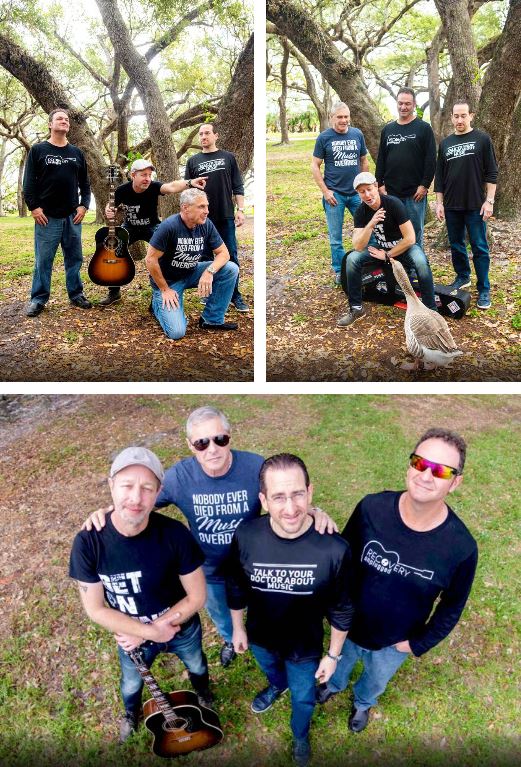
Recovery Unplugged co-founders Marshall Geisser, Paul Pellinger, Andrew Sossin; and Executive Director of Face the Music Foundation Jeff Jacob (front)

Like so many great ideas, Recovery Unplugged, and its sister non-profit organization, the Face The Music Foundation, came into being out of a conversation about a problem.

One of the many things that make this particular conversation special, at least to you and us, is that this meeting of the minds took place right here in Florida’s Hollywood.

The problem, which we hear about constantly, is the rise of addiction among not just kids and illegal drugs, but also working adults, and seniors, with alcohol and prescription drugs too.  And what’s worse, the existing methods for treating these addictions are just not working very well.  Only ten percent of people completing traditional rehab programs are able to stay clean and sober.

It’s difficult to measure the effectiveness of recovery services and all too common for individuals affected by addiction to cycle in and out of rehab several times throughout their recovery process.  

Enter Recovery Unplugged, with a new approach using the power of music as a catalyst for positive and long-lasting change. And now, with its sister/partner non-profit, the Face The Music Foundation, what it’s out to do is to transform the entire addiction treatment industry, with a new, three-pronged, approach: treatment and relapse prevention for those afflicted,  working with kids to prevent the problem before it starts, and reducing the stigma associated with addiction.

Recovery Unplugged was an idea, says Paul Pellinger, Chief Strategy Officer and co-founder, born out of frustration.  After more than 20 years working in the recovery area, as a court liaison helping to put criminals with drug-related offenses into rehab rather than prison, and as a consultant helping open drug rehab centers, he was frustrated with the low success rates the rehabs were experiencing. He knew that there had to be a better way to get to the source of the issues causing addiction, and help the people suffering from it. 

A Crazy Idea

“There are,” Pellinger said, “some universal truths. One is that everyone loves music.  It communicates to the soul. In all my years in the recovery and treatment industry, one thing I’ve never heard anyone say is ‘I hate music.’

“So I had this idea to combine music and music therapy with different kinds of tried-and-true addiction treatment programs  to create positive and long-lasting change. We could use music to help clients maintain what they learn, actually sending them home from treatment with musical prescriptions specifically designed for them, aimed at their hearts, not their heads, to engage them to have more long-lasting effects.”

Addiction And Crime   

“Those dependent on illicit substances are responsible for a disproportionate number of crimes,” he stated. “Marshall will back me up on this. This is why he dedicated his life to this.”

In the courts, Pellinger had worked closely for many years with Marshall Geissler, a local criminal attorney who was also frustrated with the system. Geissler was instrumental in the formation of the Broward County Drug Court in the late ‘80s. And Geissler did indeed agree.  

“As a criminal attorney with 32 years in this field,” he said, “I can tell you that it goes beyond the 80/20 rule. I would say that 95% of the people I represent are with me because of drugs or alcohol. And the vast majority of my clients are good people who just made some bad choices.” 

Geissler was intrigued by Pellinger’s ideas, and introduced him to a client of his, Hollywood businessman Andrew Sossin.  For Sossin, the problem of addiction hit closer to home.

“Quite frankly,” said Sossin, “there were people in my family with drug and alcohol abuse problems, including my mother-in-law, and I was getting tired of paying for rehab programs that didn’t work.”

So the three got to talking, and in 2013, Recovery Unplugged was born.

Early on, Recovery Unplugged hooked into the natural connection with the music world and tapped well-known award-winning singer-songwriter Richie Supa of Aerosmith fame as the Director of Creative Recovery.

“It’s important to know, there’s a lot of science behind what we’re doing; this is not a gimmick,” explained Pellinger. “This is not something where you go home and listen to a song and that will combat addiction. We have medical professionals and licensed clinicians implementing proven techniques to reach the root problem, and using music to connect with the brain’s hardwired reward system.”

Along with curing the problem of addiction, both Recovery Unplugged and its partner, the Face The Music Foundation, are working to transform the stigma of the disease. 

“Music will always find its way in: there’s no defense against it,” said Richie Supa. 

And the bottom line is, it’s working. The Recovery Unplugged system is producing  statistics unheard of in the rehab community.

Where the norm is a staggering 90% failure rate, “Ours is four times better,” said Pellinger.  “Now, that’s still 60% relapsing, but I choose to look at it as that many more thousands of lives we’re saving. And, we have a 95% approval rating from clients, and the number of clients who leave us ‘against medical advice’ before their scheduled treatment is complete is less than ten percent — that’s over five times better than the average — which directly correlates to better outcomes.”

The Addict Next Door

Only about three percent of addicts are the classic “skid row alcoholics,” according to Pellinger.

“The other 97% are people like us, they have jobs, are functioning, don’t necessarily have track marks and a red nose and a brown paper bag; every single one of us has been directly or indirectly affected by addiction,” he averred.

Sossin agrees.

“There have been two deaths in the last 24 months, right here in the religious community in Hollywood where I grew up,” Sossin noted. “Here we have an eclectic pool of people from different cultures, a wide range of populations. I would say that where we live is a microcosm of the country, because we have such diversity, and we have all kinds of people having these issues. I know, because I am approached almost on a weekly basis, right here in Hollywood, by people of all ages.  Last week I met someone who was 21, and a grandmother who was 66.  

“That’s why we’re here.  And we’re just getting started. ”

Addressing the Stigma of Addiction

Along with curing the problem of addiction, both Recovery Unplugged and its partner, the Face The Music Foundation, are working to transform the stigma of the disease. It helps, said Pellinger, that the CDC recently reclassified addiction as a brain disease. And it also helps that so many of the famous people who made the drug culture so alluring are now on the sober bandwagon, making it hip to be straight.

“I was clear from the beginning, maybe more so than my partners, that the idea of using music to help cure addiction was a cool idea and it was going to work,” said Pellinger. “But even I had no idea that we would attract so many famous and legendary musicians who are now a part of what we do such as Dion, from Dion and the Belmonts, Steven Tyler from Aerosmith, Richie Supa who I already mentioned, rocker Candlebox, rappers Flo Rida and Ty Dolla $ign, Liberty DeVitto, who is the drummer from the Billy Joel Band, Morris Day from Morris Day and the Time…the bottom line is that as far as the stigma, these people are ‘out there’ that they’re in recovery, so we are using them as influencers to change the stigma, and to help people see that addiction is a serious disease.”

Face The Music

Wanting to help as many people as possible and never turn anyone away for lack of funds, the trio founded the Face The Music Foundation, the fund-raising and awareness-building partner of the organization.  

The Face the Music Foundation, like Recovery Unplugged, says Pellinger, was also born out of frustration. Too many addicts were still ending up dead or in jail before they could get help because they didn’t have money or insurance. 

“Not my clients,” quipped Geissler.

“So we came up with another cockamamie idea,” said Pellinger.  “What if we created our own 501(c)(3)? We already had a brilliant, Grammy award-winning songwriter on the board!”

“We could put on events, (like the one we did recently at the Circle in Hollywood, added Sossin), where the goal would be to raise awareness, solicit sponsors, build community partnerships and raise money for scholarships.”

In 2014, they started the Face the Music Foundation and began to build a schedule of music and outreach events and community programs.

The search for a new executive director for the foundation in 2018 brought the trio together with Hollywood musician, team-building and non-profit pro Jeff Jacob. Sossin and Jacob had been communicating via email and phone about Jacob joining the organization when they found themselves seated together at a Jewish holiday dinner. It was, as they say, Besheret (fate).

“I believe that everything I’ve done personally and professionally up to this point has led me to be with these guys now,” said Jacob, “helping to solve this problem, and like Andrew said before, we’re just getting started.” 

While the primary goal of Recovery Unplugged is to help people get and stay sober, the leadership team of the two organizations are clear that their work doesn’t stop there. 

This cutting-edge treatment is now available in five locations: Fort Lauderdale, Florida; Lake Worth, Florida; Nashville, Tennessee; Austin, Texas and Northern Virginia, with new facilities slated to open in the near future.

More importantly, Jacob believes, is to work  within the communities they serve, to prevent addictions before they start.

Face the Music runs a program called Get In Tune, established with grant money from the Broward County Sheriff’s Department.  Get in Tune is a prevention and awareness program which uses music to help underserved adolescents ages 12 -18 cope with situations such as bullying, abuse, divorce, and addiction. 

“We are fortunate to partner with the Boys and Girls Clubs of Broward county and are in our second year, based on the success of the first year. The kids love us and we are overwhelmed to be able to help as many children as we possibly can,” says the Foundation’s website. 

Another program, called Grace Notes, works with recovering musicians to bring music to underserved populations such as senior and special needs residences.

“Putting people into service and keeping them busy and purposeful helps them stay clean and sober,” said Jacob.

“We have now gotten requests to expand these programs into other organizations besides the Boys and Girls Clubs, and into other cities, and we should have some funding coming in to do so,” he said proudly. “In fact, at this moment we are preparing to launch programs in every major city in Tennessee in 2020.”

Keeping the Faith

People have asked if Recovery Unplugged and Face The Music are faith-based organizations.   

Not in the traditional sense, said Jacob. 

“But we do have faith; Faith that music can do amazing things.”

Recovery unplugged provides hope and healing for people affected by addiction using the power of music

After seven years of beating the odds and increasing successes, it looks like Recovery Unplugged is indeed doing that.

“Recovery Unplugged shows that music can be magic,” said supporter Steven Tyler of Aerosmith. “It can be a healing experience.”

To give help, get help or learn more, visit https://www.recoveryunplugged.com/ or https://facethemusic.org/ or contact Jeff Jacob at JeffJ@facethemusic.org.

Filed Under: Corporate Team Building, Leadership, Musical team building, team building, Team building Florida, The Song Team - Team Building Blog Tagged With: recoveryunplugged

Get in Tune!

June 25, 2019 by Jeff Leave a Comment

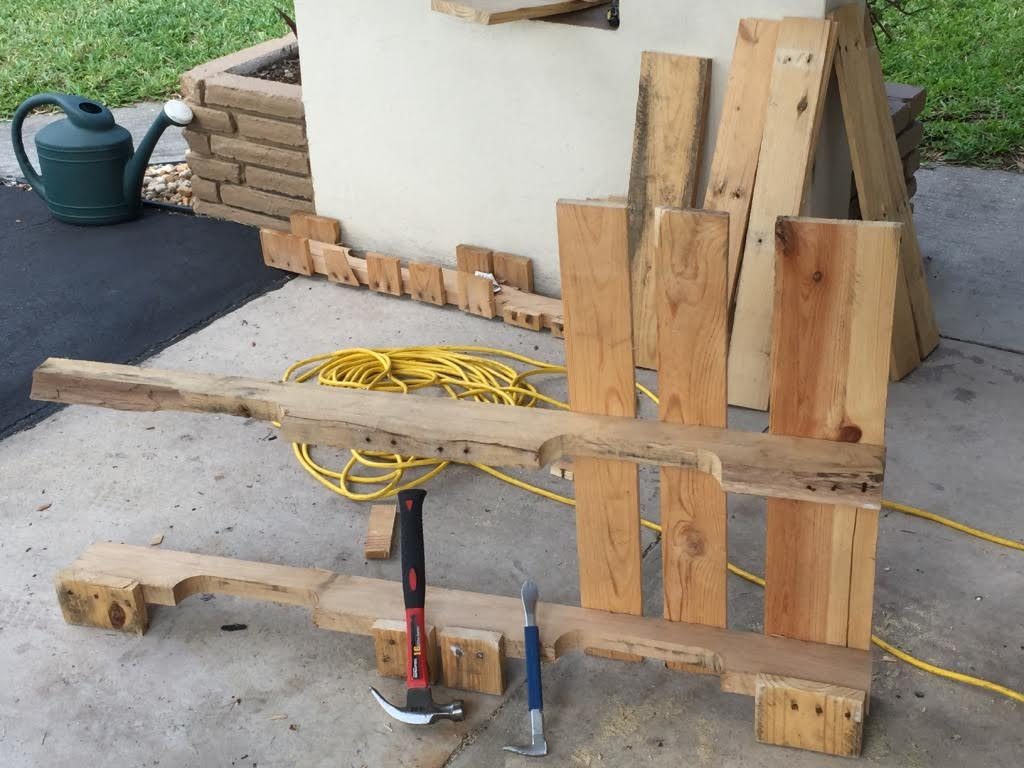
When you’re building something special, the beginnings rarely look anything like the “end-product.” For example, this old shipping pallet, partially torn apart over a weekend…hammer, saw, pry bar…trial and error…measuring… certainly doesn’t look anything like what it’s parts will evolve into, as I turn them into something that looks a LOT better than the old wallpaper they are starting to cover up in the kitchen in the new house. 

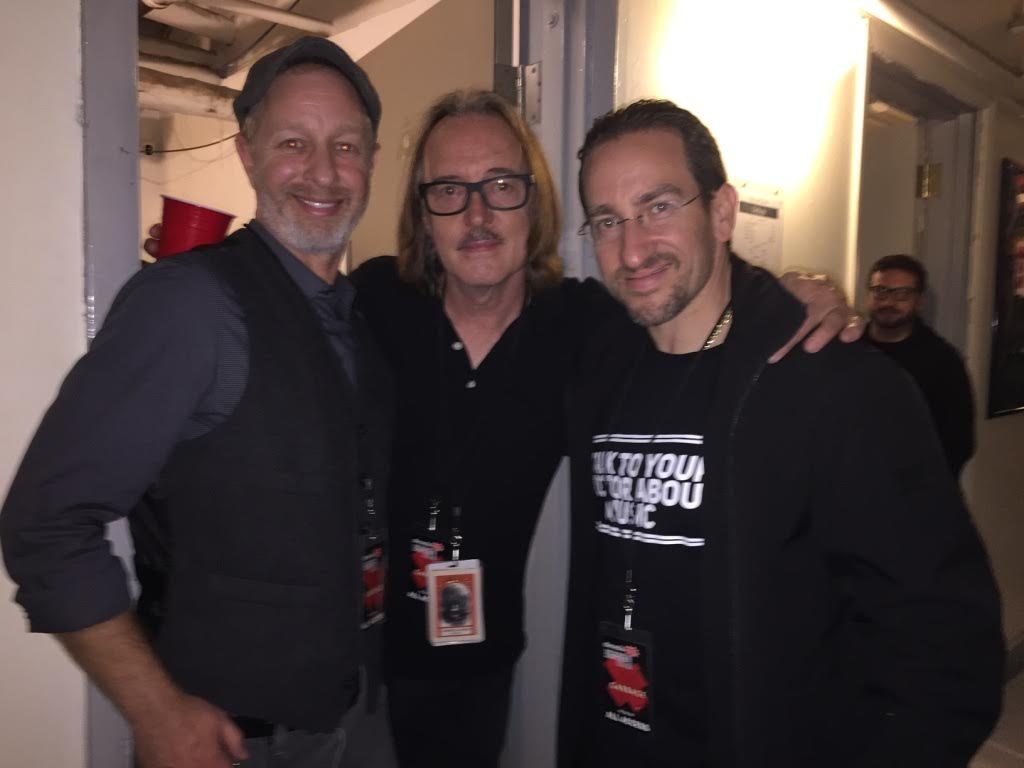
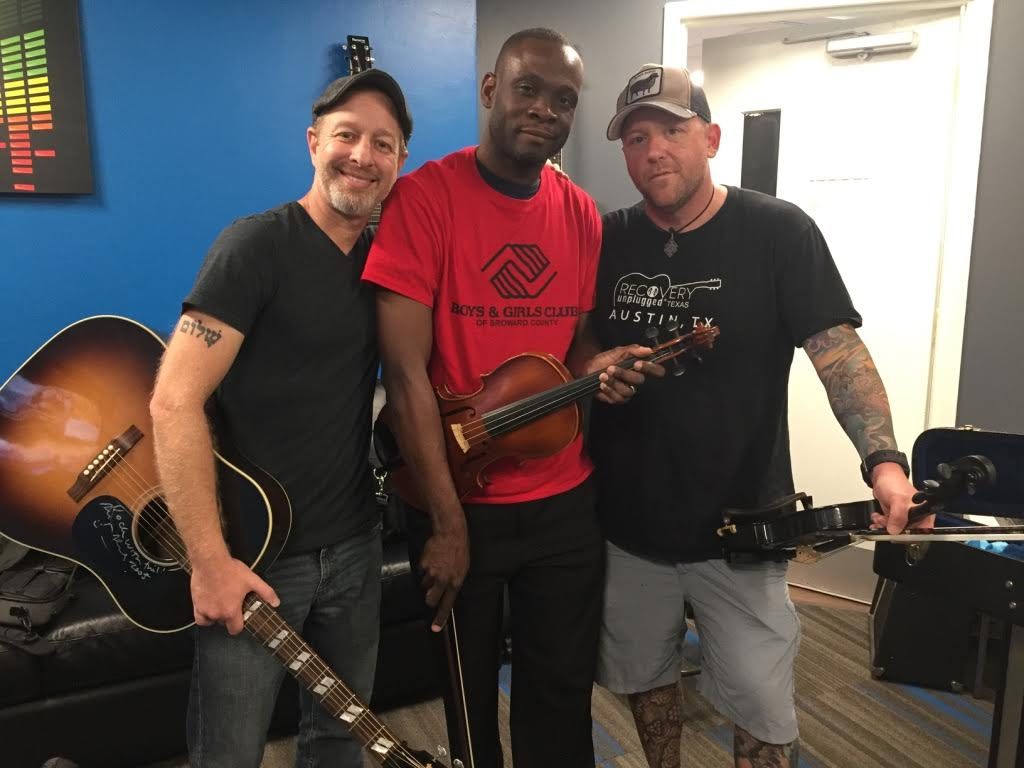
Similarly, the glitzy moments such as here where I’m fortunate enough to be hanging out backstage with legendary Music Producer Butch Vig (Nirvana, Green Day, Smashing Pumpkins, Soul Asylum) and Recovery Unplugged Co-Founder Andrew Sossin at a Benefit Concert for Face The Music Foundation, at The famed Riviera Theatre in Chicago…these moments are not really what it’s about. Rather, it’s about moments like this other picture here where I’m with our resident maestro on fiddle, Carl Schmid, and Roosevelt from a local Boys & Girls Club that we recently teamed up with for one of our educational programs…“Get In Tune!”  (looking for funding by the way, just saying!) These sessions work towards breaking the cycle of addiction through music. Early on, before the disease can take root… On the streets, where it’s real, just watch the music heal.

Whether your re-purposing old wood shipping pallets, and trying to find just the right size board, the right color tone, the right texture, or trying to assemble a first class Board of Directors, or Creative Team, it’s all about patience, open-mindedness, creativity, vision, heart.  That’s how you turn the individual notes, into a beautiful chord of music.

Filed Under: Corporate Team Building, Leadership, Musical team building, Songwriting Events, team building, Team building Florida, The Song Team - Team Building Blog Tagged With: conferenceplanning, musicalcollaborative, musicheals, musicproducing, recoveryunplugged, riveriatheatre, teambuilding

Butch Vig Of Garbage And Filter’s Richard Patrick On Power Of Music At Face The Music Foundation Benefit

May 28, 2019 by Jeff Leave a Comment

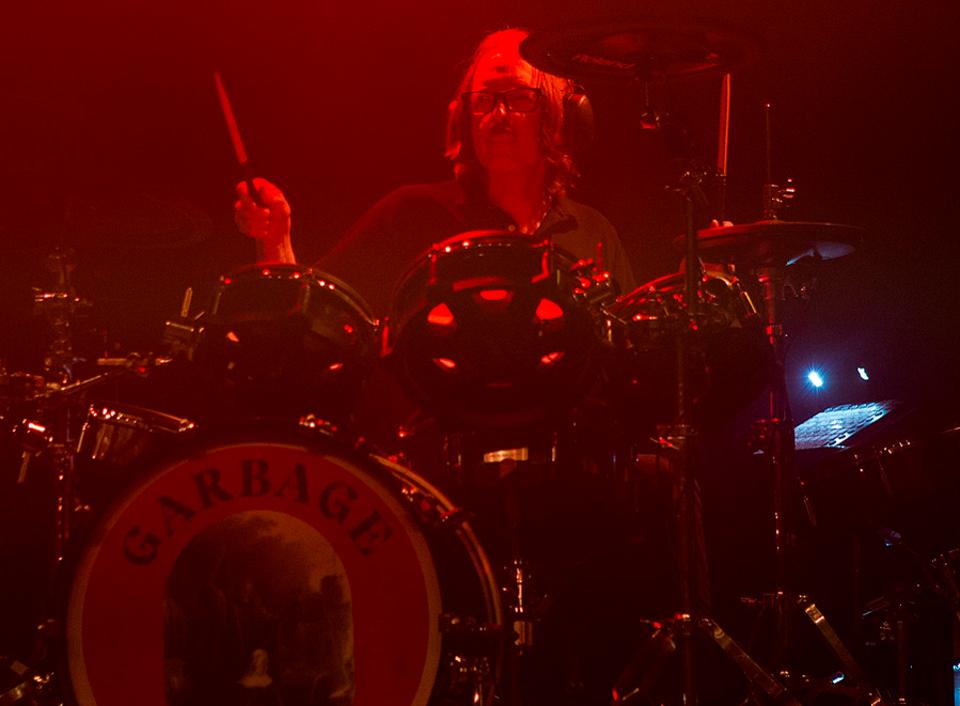
Garbage performs on stage in Chicago at the Riviera Theatre during the Face The Music Foundation benefit concert. Monday, May 20, 2019
PHOTO BY BARRY BRECHEISEN

Amidst the opioid crisis in a world where music and the arts continue to disappear from American classrooms, Face The Music Foundation and Recovery Unplugged place a premium on music as a critical part of the recovery process.


Garbage drummer and producer Butch Vig performs during the Face The Music Foundation benefit concert in Chicago. Monday, May 20, 2019 at the Riviera Theatre
PHOTO BY BARRY BRECHEISEN

“These type of events remind us of how much energy and passion can be galvanized by something as unifying as music,” said Face The Music Foundation Executive Director Jeff Jacob Monday night in Chicago backstage at the Riviera Theatre prior to the Face The Music Foundation benefit concert. “Music is one of the only universal languages. So we believe that it not only brings people together but that it has healing properties. There’s proof to show that music can actually put someone on a positive path and help them sort of put a new foundation under them of solid ground.”

Founded in 2014, as the non-profit arm of Recovery Unplugged, the Foundation seeks to generate the resources necessary to help those who might otherwise not be able to afford to enter substance abuse treatment by creating treatment scholarships.

Recovery Unplugged takes things further, directly integrating music into the recovery process, with a stated mission “to provide hope and healing for individuals affected by addiction using the power of music.”

“It’s rare still that type of therapy. But I think it’s one of the best types of therapy that people can go through,” said producer and Garbage drummer Butch Vig. “I’ve been playing music all my life and it’s therapy for me. I think it’s a pretty incredible program where music is part of the recovery process.”

Monday night in Chicago, Vig performed with Garbage as the benefit’s headlining act, working with dkmedia and Charity Bomb alongside openers Slow Mass and Jam Alker Band to raise awareness and funds for both charitable groups.

“I myself am a recovering addict. Five years ago, I was killing myself shooting heroin on the west side of Chicago. Now I’m part of an event that is raising money to get people into treatment that is music based,” said Jam Alker. “I started playing music again when I was in treatment just over four and a half years ago and it changed my life. I began to heal some of the deepest wounds inside of me by using music as a way to express and process the underlying trauma that had led to my addiction. It’s something that’s been a passion of mine and so I got involved with Face the Music Foundation.”

Garbage’s touring bass player, former Jane’s Addiction bassist Eric Avery, is also a recovering addict. Like many musicians, Garbage see the impact the disease can have on a daily basis.

“I hope that the event can bring awareness and bring an acute sense of urgency to absolutely every single one of the attendees. Because we all know that we are less than one degree away from someone with an invisible disease,” said event director, dkmedia principal and owner David Kinsler. “It’s indisputable: Music creates emotion. It evokes. And that’s what it was always meant to do.”

guitar
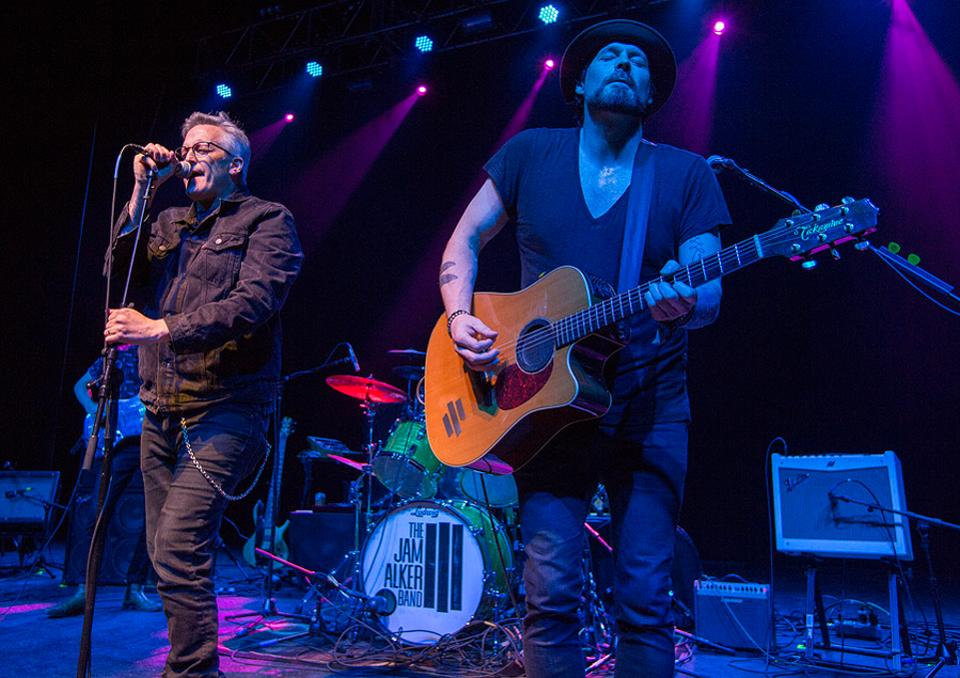
Richard Patrick of Filter joins the Jam Alker Band during the Face The Music Foundation Benefit in Chicago. Monday, May 20, 2019 at the Riviera Theatre
PHOTO BY BARRY BRECHEISEN

Richard Patrick of industrial alternative rockers Filter made a special opening appearance Monday night as well, singing one of Filter’s biggest hits, “Take a Picture,” with backing from Chicago-based Jam Alker Band.

Back to work with Filter co-founding member Brian Liesegang for the first time in more than twenty years on the forthcoming album Rebus, Patrick spoke candidly before the show about the role music can play in the recovery process.

“When you hear the perfect kind of music for the mood you’re in, it can bring pleasure, happiness, anger and exhilaration that only a few things can. So I think it’s important to have music in recovery,” he said. “But at the same time, it’s also important just to even hear this is an actual possibility that you can get sober and you can be happy.”

Monday night over the course of about ninety minutes, Garbage hit upon virtually every corner of their recorded catalog, placing most focus on their 1998 album Version 2.0 following a tour last year which featured full performances of the album in recognition of it’s 20th anniversary.

The group worked a snippet of Depeche Mode’s “Personal Jesus” into “Wicked Ways” early and vocalist Shirley Manson gave the fans a choice later, letting them decide by show of applause whether the band would close the show with “Bleed Like Me” or “When I Grow Up.” “It pleases me to f-ck with my band,” said the vocalist of her process as the crowd roared its approval for the latter.

“Sometimes you hear about bands that say they want to change the world with their music. And there is some truth to that. Because a song can affect someone’s personal life in a way that is way beyond what the artist intended,” said Vig. “When we make music, we record and write and go through the whole process kind of in a bubble. We do it for ourselves as our own form of therapy. And when you put music into the world, how it affects people, you never know really what’s going to happen. But it’s very gratifying to hear that kind of connection with people – that the music has a healing power.”

band
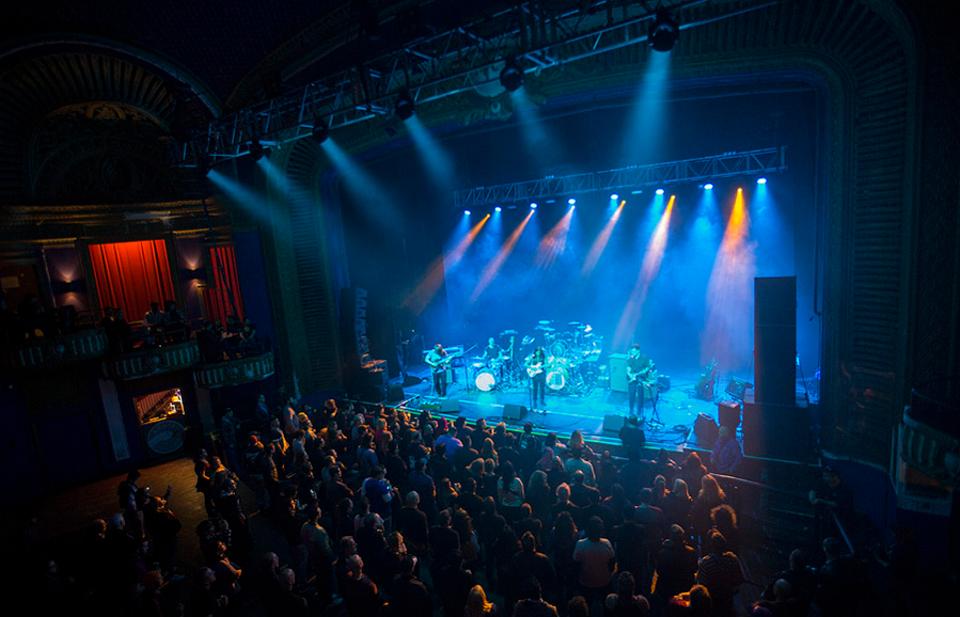
Slow Mass performs during the Face The Music Foundation benefit concert. Monday, May 20, 2019 at the Riviera Theatre in Chicago
PHOTO BY BARRY BRECHEISEN

Manson went onto decry the lack of a union for musicians on stage Monday in Chicago, ultimately praising the work of groups like Recovery Unplugged and Face The Music Foundation. For his part, during turbulent times in America, Vig sees real value in the role of the musician.

“I think the most important thing that an artist can do, whether it’s conscious or unconscious, is get people to think,” he said. “I don’t think any music fan wants to get hit over the head with slogans or be told what to do. But a great song can reach out to you on an emotional level, or even a sociopolitical level, and make you think about the world that we live in.”

According to the National Survey on Drug Use and Health, “In 2016, an estimated twenty-one million people aged 12 or older needed substance use treatment,” translating to nearly 1 in 13 people. As the opioid crisis continues in America, the work of groups like Face The Music Foundationand Recovery Unplugged is more important than ever.

Raising awareness of the fact that recovery is even a real possibility is crucial to Richard Patrick.

“It’s a disease. I never wanted it. I woke up and I was way in – really deep into addiction. And now I’m a healthy, contributing member of society that can help other people. And that’s the best part of it – helping other people,” Patrick said. “I get all these people who say, ‘Is this real? Can I really get sober?’ Well I did it. And I can only speak for myself but if you can believe in yourself just a little bit, you can do it. I’m just spreading the message that you can get sober. Literally you can save people’s lives just by being a good example.”

Jim Ryan is a Chicago based writer/broadcaster who’s interviewed a Ramone and a Rolling Stone. Follow him on Twitter @RadioJimRyan or visit online at radiojimryan.com. radiojimryan@gmail.com.

Find the original article here.

Filed Under: Corporate Team Building, Leadership, Musical team building, Songwriting Events

  • Page 1
  • Page 2
  • Page 3
  • Go to Next Page »

Primary Sidebar

Footer

Admin

  • Log in
  • Entries feed
  • Comments feed
  • WordPress.org

Recent Posts

  • ‘Lighting the Future Through Song’: Broward Students Transform Holocaust Testimony into Music
  • Jeff Jacob of Hollywood on Life, Lessons & Legacy
  • Just Another Day in the Park – Setting a Team Intention for 2025
  • Having a “Wicked” Good Time Together
  • VOYAGE Miami (Formerly Canvas Rebel) Does a Follow Up Interview with Song Team Founder, Jeff Jacob

To reach The Song Team, please contact Jeff Jacob · jeff.jacob2@gmail.com · (615) 974-0225
Copyright © 2026 The Song Team